

















How icewine is made in Niagara
Frozen grapes, a cold night and a slow press. That is the short version, and your guide tells the long one on the drive.
Read more
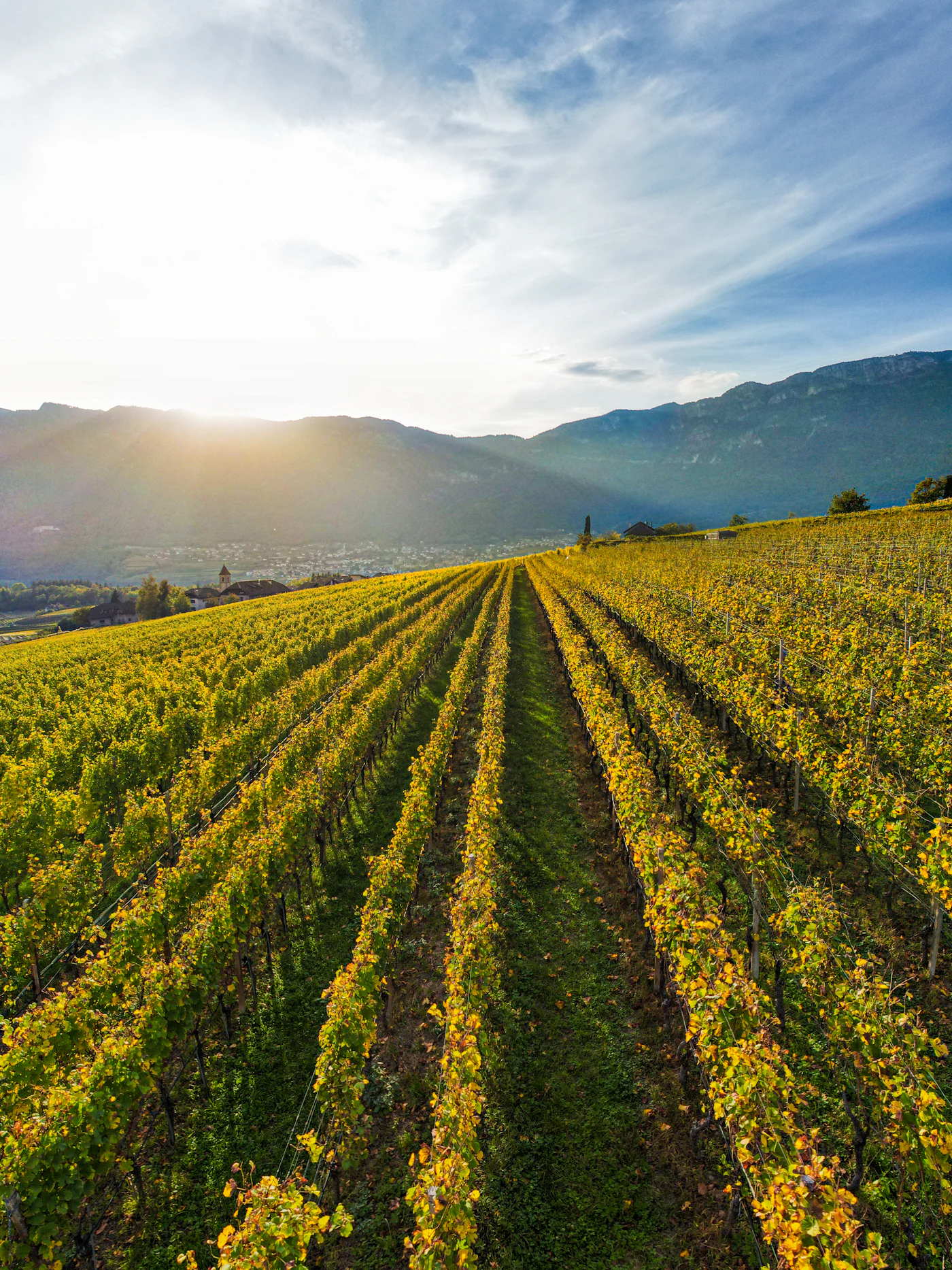
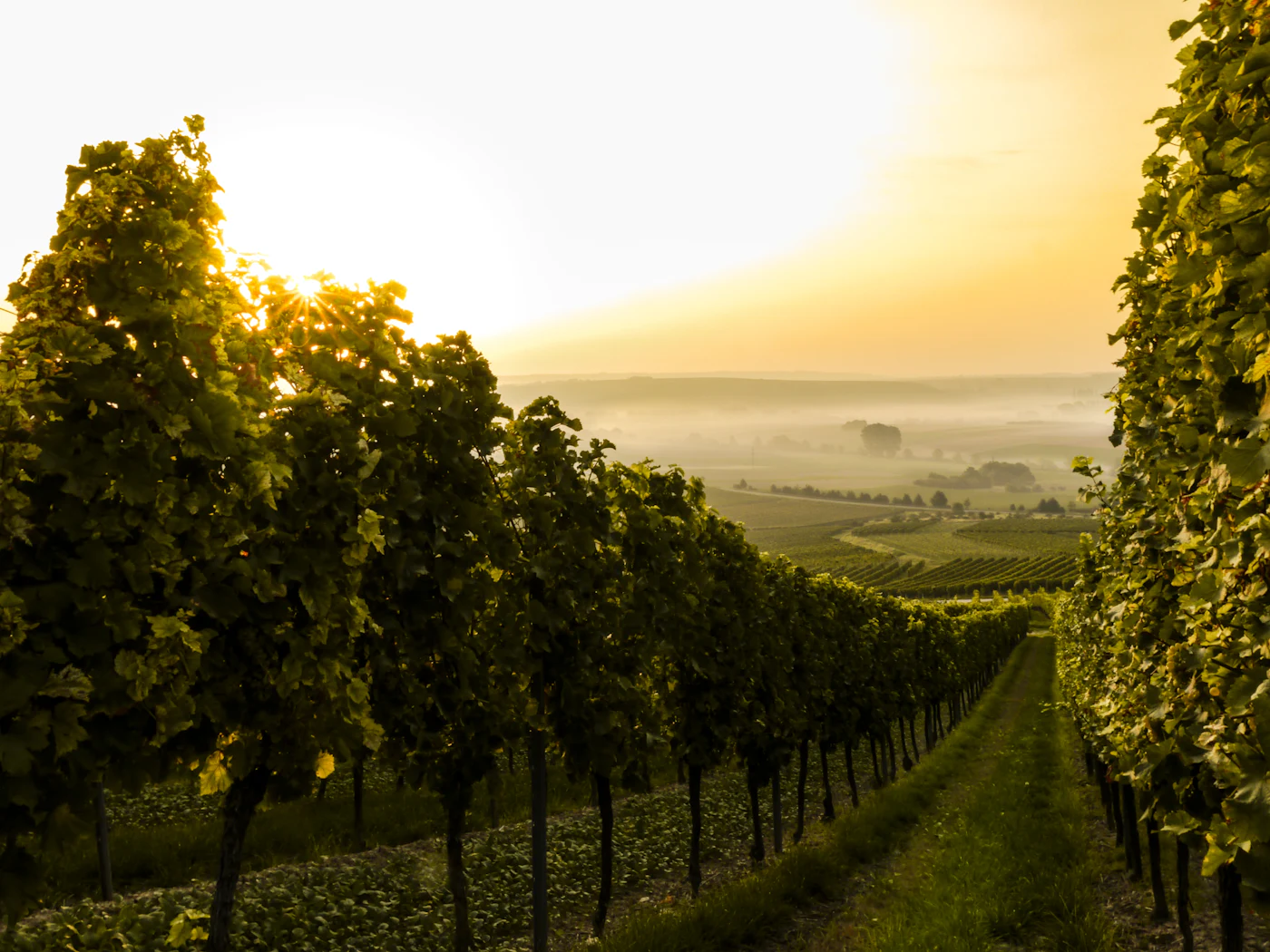
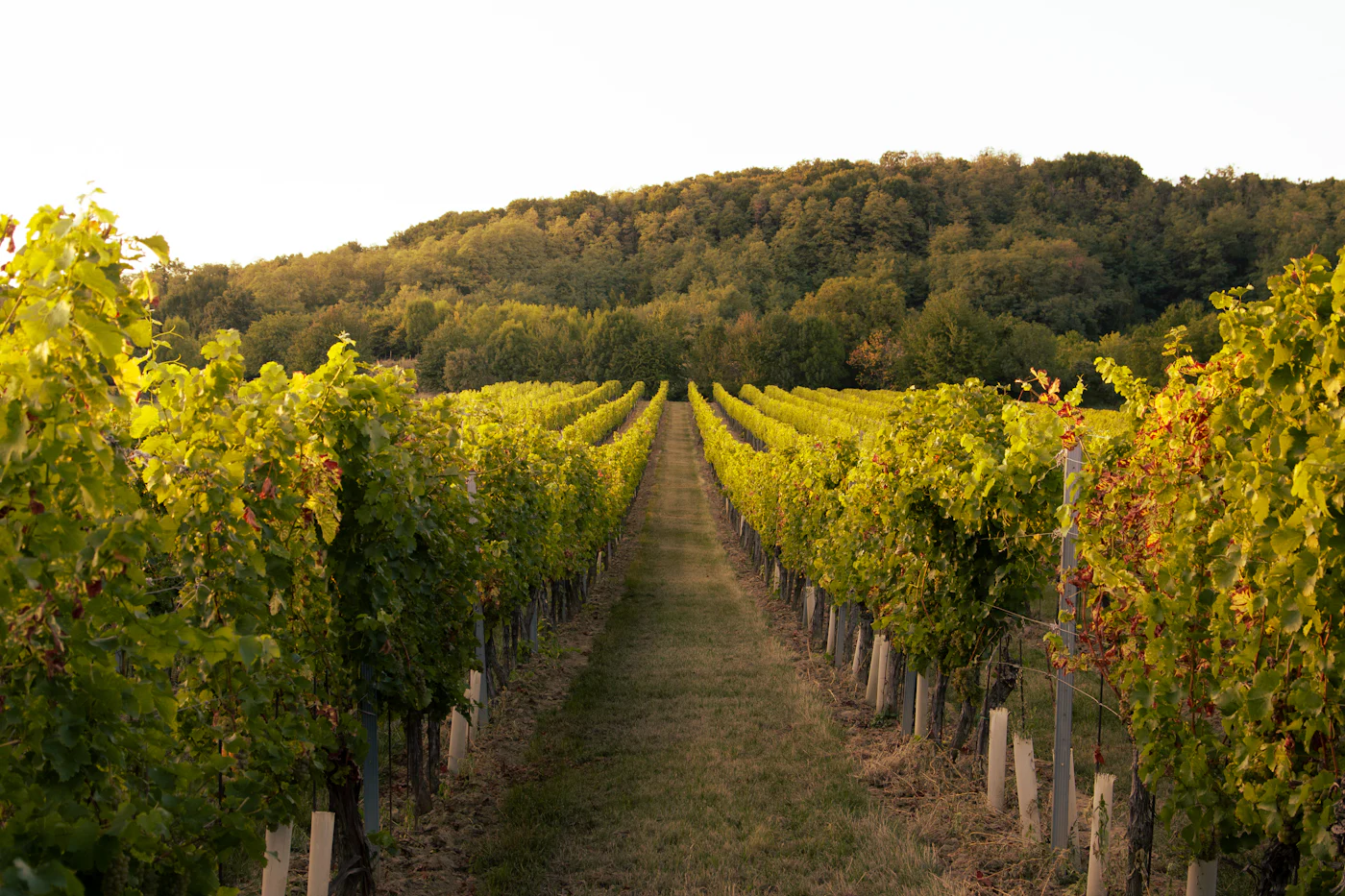
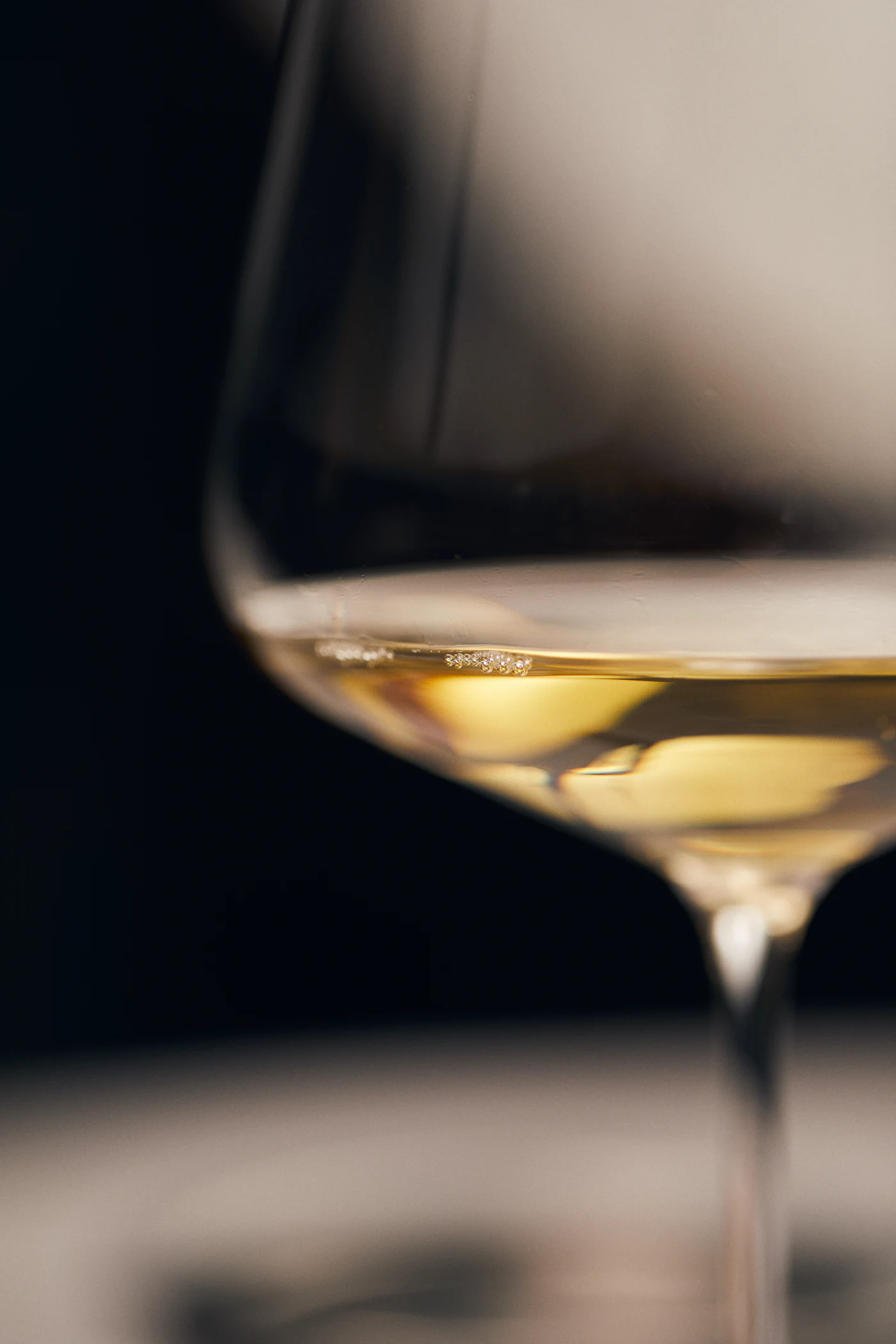
Grapes for icewine are left on the vine after the normal harvest, often covered with nets to keep birds away. Once a hard freeze arrives, usually between December and February, pickers harvest the frozen bunches. The water in each grape stays frozen as ice, so pressing releases only a small amount of thick, sugary juice. Fermentation is slow, and the finished wine is sweet with strong acidity, which keeps it from tasting heavy. Vidal is the most common grape for Niagara icewine; Riesling and Cabernet Franc are also popular. Many estates also make sparkling icewine.
- Grapes frozen naturally on the vine
- Picked at about minus eight Celsius or colder
- Small yields, sold in small bottles
- Vidal, Riesling and Cabernet Franc are common